
Memes Are Evolving into Existential Threats
And it's concerning that the feds seem to want to accelerate it
In 2022 I was fortunate to be invited to give a talk to FBI counterterrorism analysts to share my research and talk about how memes are evolving in the post-pandemic,* extremely online era. My talk was sort of based on the 2022 mass shootings in a Buffalo, New York grocery store and Highland Park parade in Chicago. These shooters had used “manifesto” memes in their actions, a tactic used both to confuse authorities of their motivation and to provide a model to mimic and re-meme for future violent extremists.
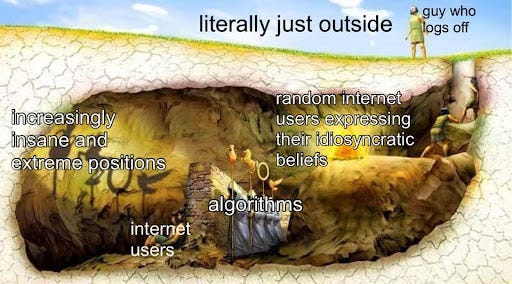
My presentation went into my usual explanations of meme culture and layered meanings, specifically the ways memes had evolved to embed such intense dogwhistles that deciphering them was a fool’s errand. By 2022, the online and far-right had developed a wildly successful model of irony posting and “just joking” reactionary stances that they could easily wiggle out of any declarative accusations of promoting harm. This was an era where fashwave was melting into western aesthetics, a harbinger of the christian nationalism to come. (I stopped short of going into schizoposting.)
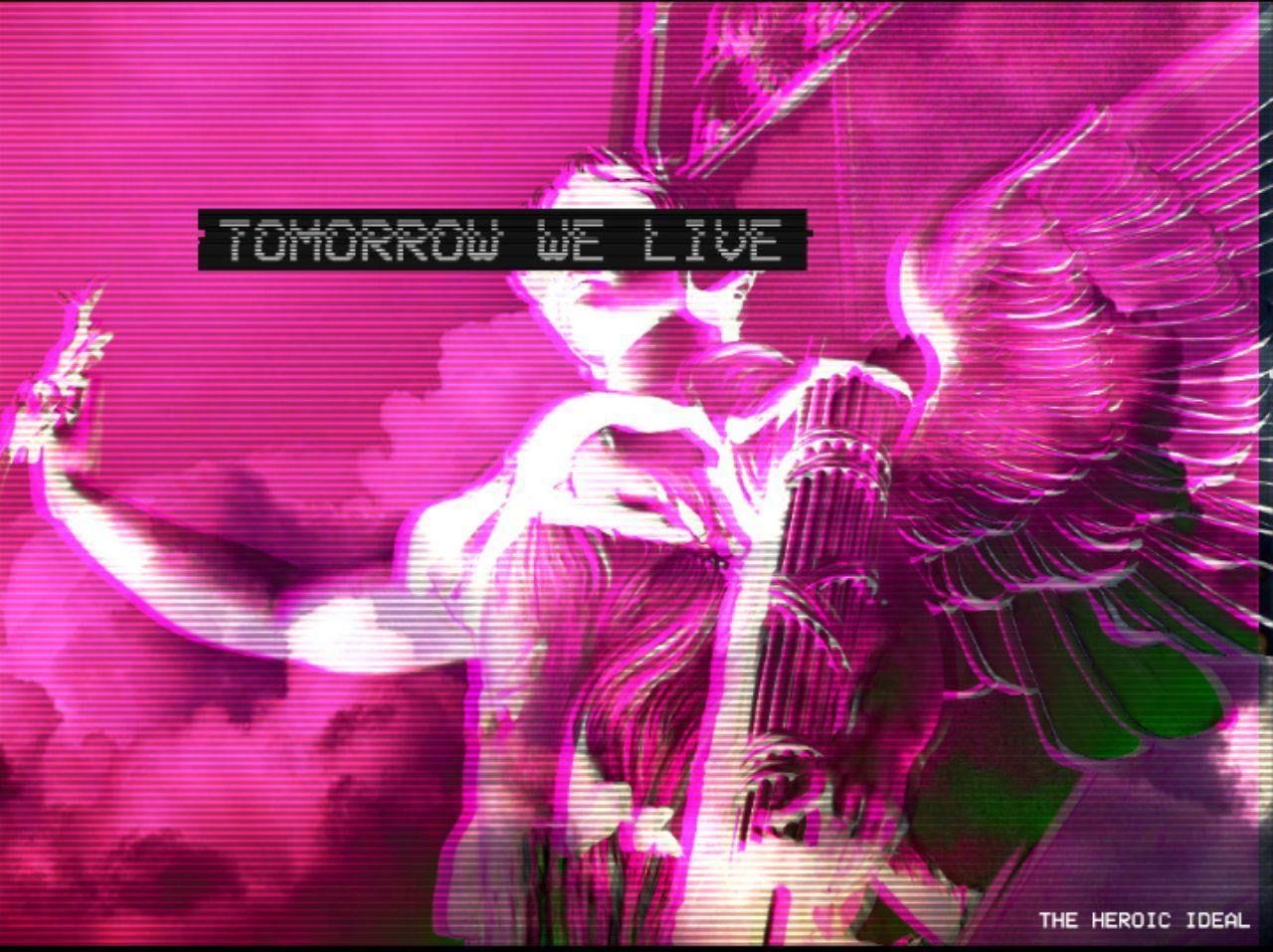
Meme-based violence left authorities and the mainstream media without the traditional investigation tools to decipher motive and meaning, and worse, their attempts to do so could amount to participating in the meme itself.
What I mean is this: manifesto memes are memes. They are incoherent documents loaded with hundreds of images from the web, making references to references, some without original meaning whatsoever. They are designed to be talked about, broadcast, pored over, and discussed, even though they are fairly vacuous in meaning.
They’re also like candy to the mainstream media. The New York Times covered it in 2022 with a piece about the Buffalo shooter’s manifesto (the images “blurred to obscure hateful imagery”). They did note an understated point that while the shooter was radicalized on sites like 4chan during the stay-at-home period of the pandemic, by his own account “he also spent considerable time on mainstream sites…especially YouTube, where he found graphic scenes from police cameras and videos describing gun tips and tricks.” Here’s how I explained that process:
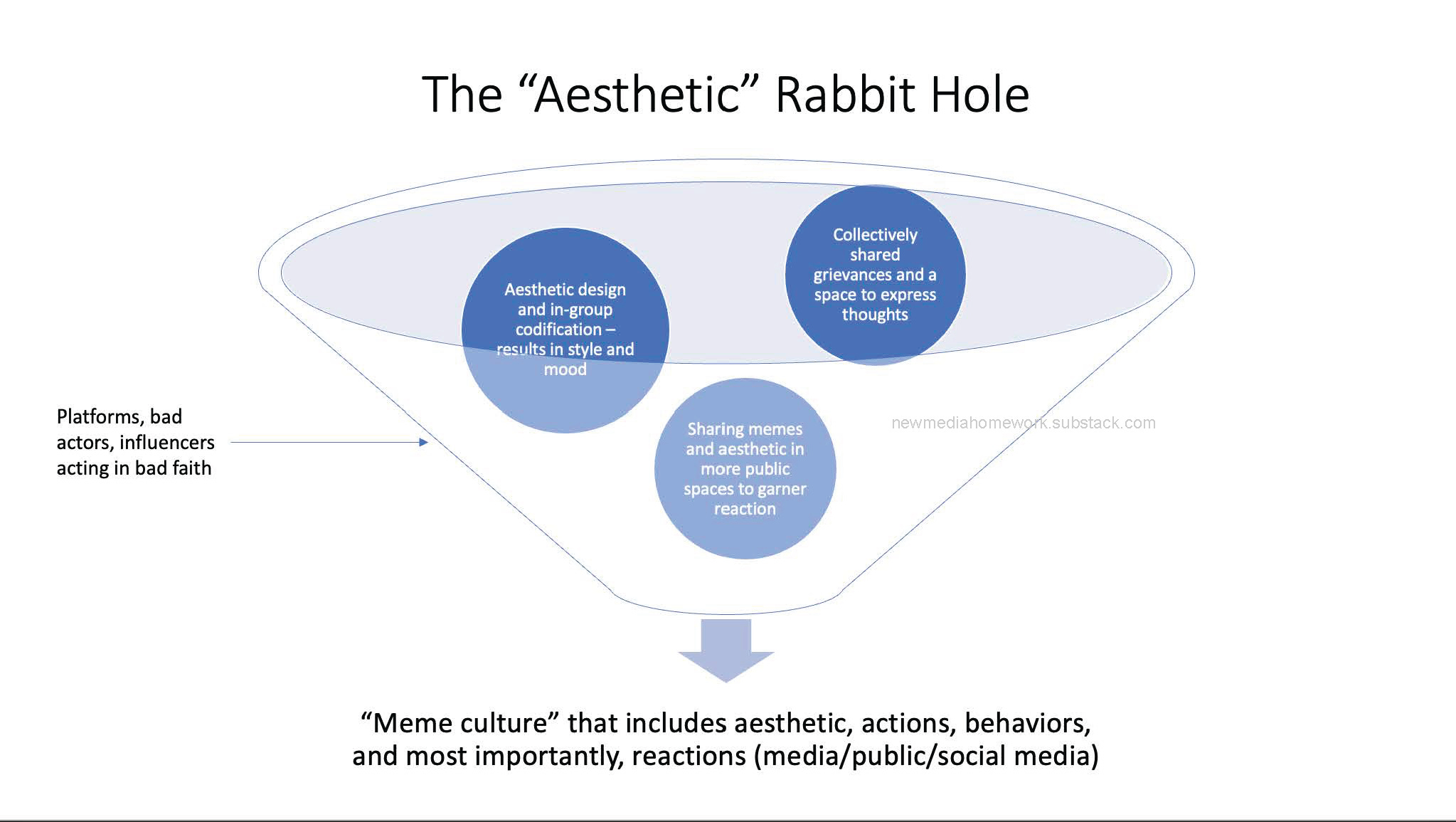
It’s hard to give warnings when the models of radicalization are so diffuse and when both the mainstream media and the authorities often work in reaction than proactively to thwart violence. I tried to explain that while it may remain tough, there must be an attempt (speaking directly about the mainstream media) to not be part of the meme.
While there used to be a fairly vertical model of radicalization to violent act pathways, in the era of the hyperonline, it’s now cyclical. Here’s a slide from my deck explaining it:
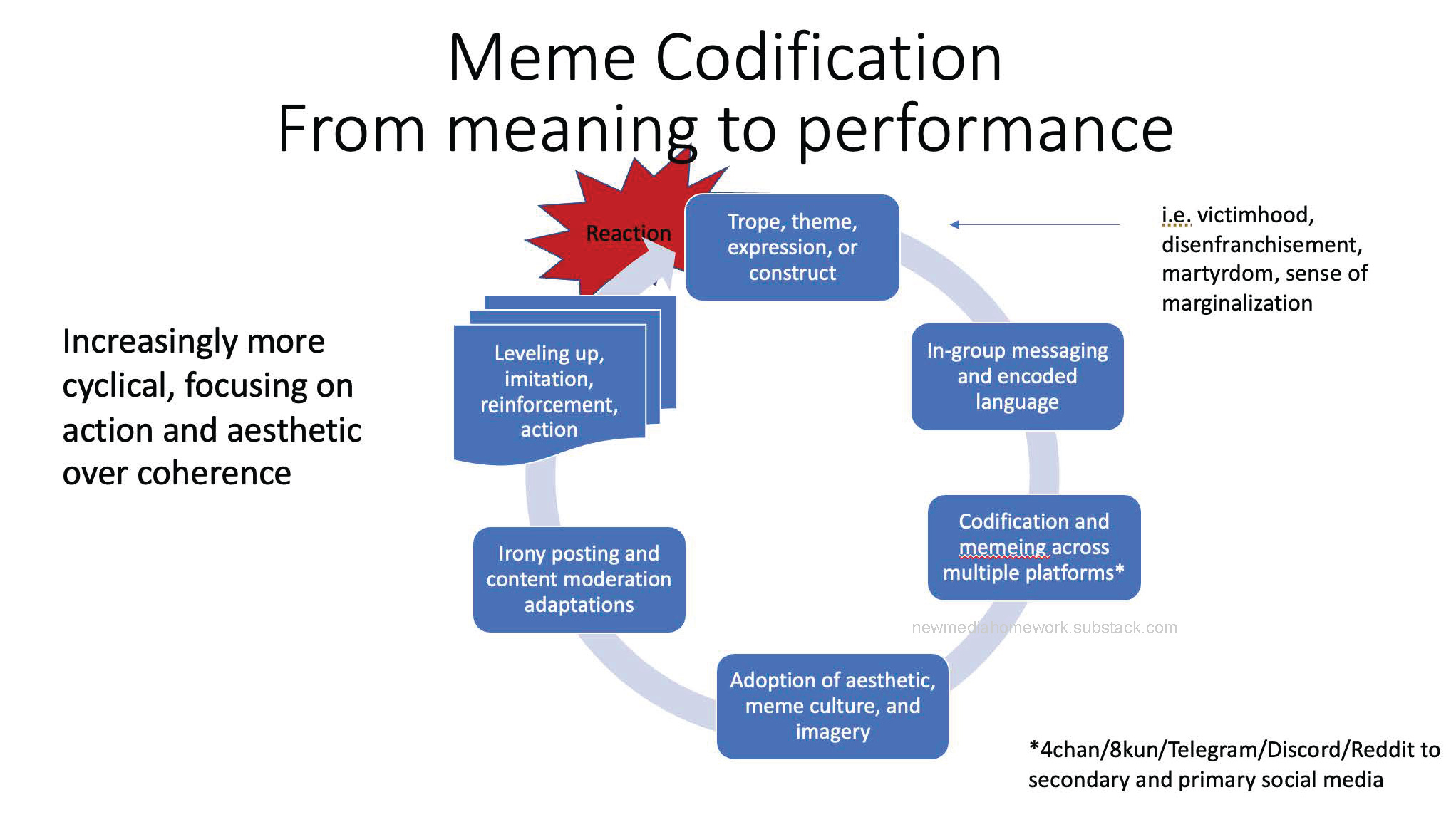
In the original deck, the blue slowly turns red as the cycle repeats itself. The “reaction” part in the explosion graphic relates to the way the event is covered, whether it is posted on social media, covered by journalists, or in the details revealed by authorities. (The content moderation adaptations explains how savvy users can work around bans by embedding meaning in visual graphics.)
And that brings me to the most recent events and the new memes that are now much more existentially dangerous. Manifesto memes are online. They are digital and are meant to be shared, duplicated, remixed, and re-memed. Irony as call-to-action.
But a new meme emerged after the alleged murder of United Healthcare CEO Brian Thompson in December 2024 on the streets of New York - memes on shell casings. The alleged killer had carved the words “deny” “depose” and “defend” were allegedly written into the casings, a note seemingly drawn from a book about insurance claims.
Now, to be clear, this event didn’t start the meme, writing on shells in a war tactic and in some cases, an extremely abhorrent way of signaling your pent up rage on others (see: Nikki Haley writing “Finish Them” on a large artillery shell in May 2024).
In this evolution, especially the two most recent incidents of this meme, that of the killing of Charlie Kirk in Utah and the mass shooting at an ICE facility in Texas, shows a new level of meme tactics that spells trouble for the future. In both cases, the alleged shooters are seemingly non-ideological (time will tell if there’s a more distinct political motivation) and both were immersed in online meme culture, similar to the mass shooters in Buffalo and Highland Park.
Seeing as the accused are either being held or dead, the real reasons are only what we can make of it: these memes have evolved into existential threats. By writing on a shell casing, it’s not like the ephemeral of a manifesto, it is violence in waiting. The casing holds a bullet. The bullet is potential harm. The memes do not need to hold any coherent meaning for their meaning to be present. But the goal, of course, is to encourage mimicry.
Which brings us to question why in the hell would the FBI director Kash Patel post the image on X of the shells with the words “ANTI ICE” written on a casing while the investigation was still ongoing? By doing so, he’s literally playing the role of that reaction graphic I showed that starts the cycle over again. Right now it’s led to conspiracy theories and incredibly deep skepticism about the veracity of the words on the shells, but in all reality, it could be a meta joke by the shooter.
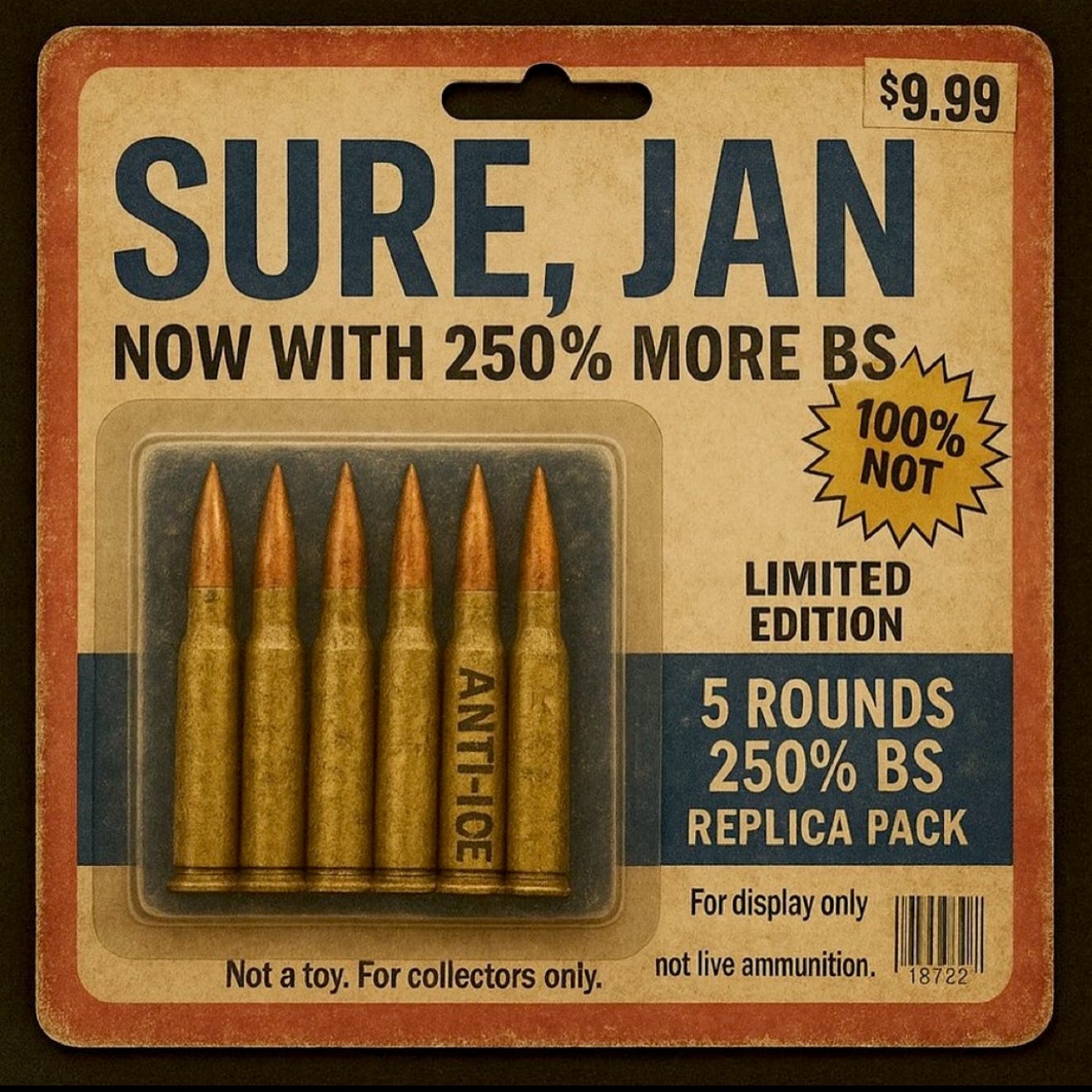
According to reporting by Ken Klippenstein who interviewed the shooter’s friends, the message is likely not sincere. “He was most certainly an edgelord, an irony guy,” one of the shooter’s friends told him, who said that he may have written it “to rile people up.” (That is often the goal.)
In the Guardian today, John Lewis, an extremism researcher at George Washington University, explained it’s all performative. But I think it’s more than performative, it’s the latest iteration of the meme-based violent events. And while there’s a new US counterterrorism distinction for Nihilistic Violent Extremism, it doesn’t help us better understand the root cause of all this.
I ended my talk with a graphic I used at Digital Void once, about how memes evolve exponentially sort of like Moore’s Law but in the cultural sense, but in this latest iteration, it begets further violence.
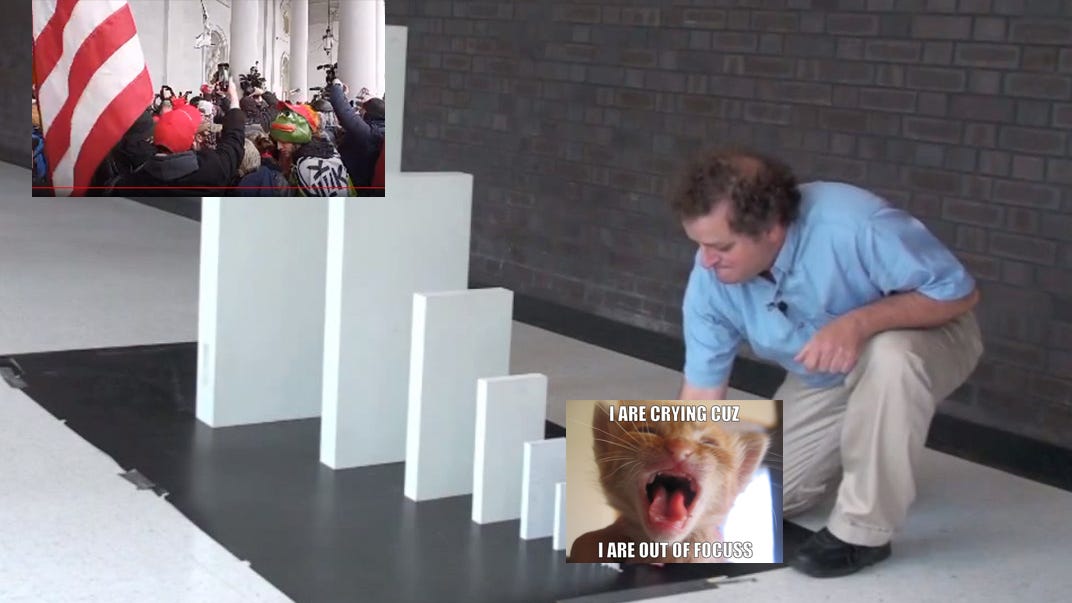
The idea of a media literacy of irony and “just joking” are necessary. We need to slow down and spend the time to figure it out, not just jump to conclusions and post things on social media when we see them. These artifacts of internet culture have reverberating effects. Responsibility matters.
Some New Media Homework
Jimmy Kimmel Made His Return. His Monologue Was Revealing. by Luke Winkie, Slate
What’s Up With Peter Thiel’s Obsession With the Antichrist? (yikes) by Gil Duran, The New Republic
YouTube will let creators who spread covid misinformation back on the site by Tina Nguyen, The Verge
Hell Yeah, Tim Meadows by Brian Grubb, The Vulture (loved this piece)
And I’m a guest on the podcast “Once in a Generation” where I talk about how men misunderstand Fight Club. The episode contains some lore about me. Give it a listen!
***
Thanks for reading. Stay vigilant, stay curious, and persist.
*we’re still in a pandemic.
New Media Homework is a newsletter that takes a critical internet literacy approach to online media and culture. Thank you for reading! Feel free to share and tell others to subscribe.